
Data might be the currency of modern business, but it’s only valuable if you know how to use it. Traditional analytics can show you what happened, but it rarely answers your follow-up questions. AI analytics helps fill that gap by accelerating how you explore data, spot patterns, and surface the insights that matter.
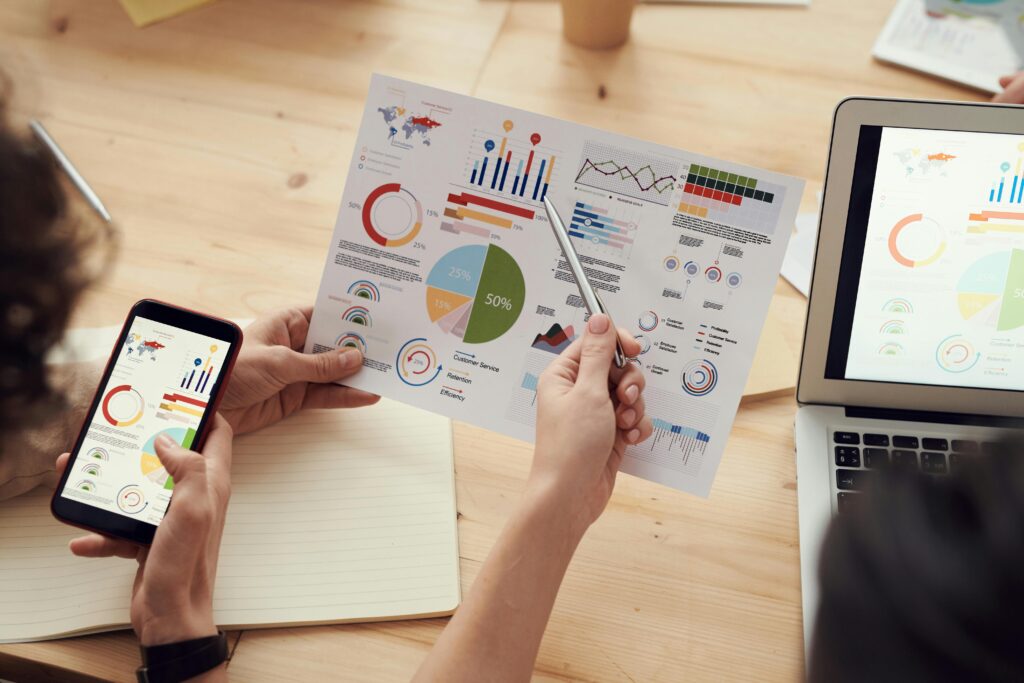
What is AI analytics?
AI analytics is the application of artificial intelligence to process and analyze data..
Rather than just reporting on what happened, AI analytics can help surface patterns, accelerate root cause analysis, and support more advanced use cases like forecasting, anomaly detection, or even automated recommendations.
AI’s ability to quickly process large volumes of data, identify patterns and generate predictive insights offers a significant competitive edge.
Imagine you’re running an e-commerce business. Instead of waiting for last month’s sales report, you can use AI features to surface patterns like a sudden spike in demand for a product category or an unexpected dip in conversion rates and flag them in real time. That kind of insight helps you act faster and in the right direction.
While not every AI analytics tool offers the same functions, the goal is the same: to reduce the time between data and action.
AI analytics benefits
Turning your raw data into clear, usable answers isn’t always easy. Here’s how AI analytics can make a real difference for you:
Make faster decisions with real-time answers: You don’t have to wait days or weeks for someone to build a custom report. AI analytics gives you the answers you need right away, so you can react quickly to market changes, new opportunities, or unexpected challenges. AI tools help you move faster and make better decisions when timing really matters.
Get insights in simple language: You don’t need to be a data expert to find answers. AI analytics lets anyone on your team ask questions and get clear, understandable insights. You can type questions like “Which products drove the most revenue last quarter?” and get a clear, actionable answer instantly.
Plan proactively: AI analytics isn’t just about looking backward; it helps you see what’s likely to happen next. Imagine knowing in advance which products will see demand spikes, which customers might churn, or where costs might rise.
An example of AI used in prescriptive analytics is in supply chain management. AI systems analyze data on inventory levels, demand forecasts and shipping conditions. And, recommend optimal order quantities and delivery schedules, thereby minimizing costs and improving efficiency.
Free up your data analysts: When you can answer your own questions fast, your data team doesn’t have to spend their time handling endless report requests. That frees up their time to focus on strategic projects, like building better models and exploring new opportunities.
AI reporting
Before and after data analytics is where AI reporting comes into the game. It is fair to say that AI analytics and reporting forms the full circle.
Data reporting serves multiple purposes, all contributing to informed decision-making, performance monitoring, trend identification and gaining a competitive edge. By analyzing and visualizing data, businesses can track performance, spot trends, and make better decisions to drive growth.
Benefits of AI reporting
Elevate your Data Reporting with these tips:
Audience-Centric Approach: Tailor reports to the specific needs and preferences of your audience for maximum relevance and engagement.
Strategic Goal Setting: Define clear objectives and goals for your reports to drive meaningful insights and actions.
Visual Data Representation: Utilize visualizations such as charts, graphs, and dashboards to enhance data comprehension and interpretation.
Contextual Insights: Provide context and interpretation for data points to aid understanding and decision-making.
Conclusion
If you’re still spending weeks for reports that are outdated when they land on your desk, it’s time to reconsider your tech stack.
The AI analytics and report generators are now an essential part of how employees analyze performance, communicate with both management and customers, and plan for the future.